An incident is just the tip of the iceberg, a sign of a much larger problem below the surface - Don Brown
Key Takeaways:
- A physical security incident management system allows security companies to track and manage incidents in real time.
- Key features include real-time incident reporting, mobile patrol software, GPS tracking, and compliance management.
- These systems improve accountability, efficiency, and legal protection for security firms.
- By adopting a security management system, businesses can streamline their operations, reduce paperwork, and enhance client satisfaction.
- A well-implemented system can help security companies stay compliant with industry regulations and protect against legal risks**.**
The need for reliable incident reporting is imperative for top-notch physical security. The cost of security failures keeps climbing; the IBM Cost of a Data Breach Report 2024 put the global average cost of a breach at $4.88 million, a record high, and physical-security breakdowns (theft, vandalism, lost equipment, unauthorized access leading to data exposure) sit upstream of many of those incidents. A credible Security Incident Management System can simplify and organize the process of incident reporting. It also can ensure a quick address to adverse situations. Irrespective of the nature of the business, incidents occurrence is common. However, a powerful Security Incident Management Software can prove very helpful in managing the incidents. The software makes incident management very easy and effective. This improvises the extent of security at business premises and facilities and contributes to performance improvement.
What is a Physical Security Incident Management System?
A physical security incident management system is a software solution designed to help security companies track, report, and manage security incidents efficiently. These systems provide a platform where security personnel can quickly document incidents, patrol routes, and activities. With features like real-time reporting, mobile patrols, and GPS tracking, security firms can respond to issues quickly, ensuring that their operations run smoothly and securely.
These systems help security companies better organize their teams, reduce risks, and stay compliant with regulations. The key benefit? Everything is recorded digitally, so you have clear, traceable evidence in case of an incident, which is crucial for legal protection.
In this post, we will discuss the key features of a good the best incident management software. We will also explain how the software is beneficial for physical security. But, first, let us understand Physical security and how it is important for businesses.
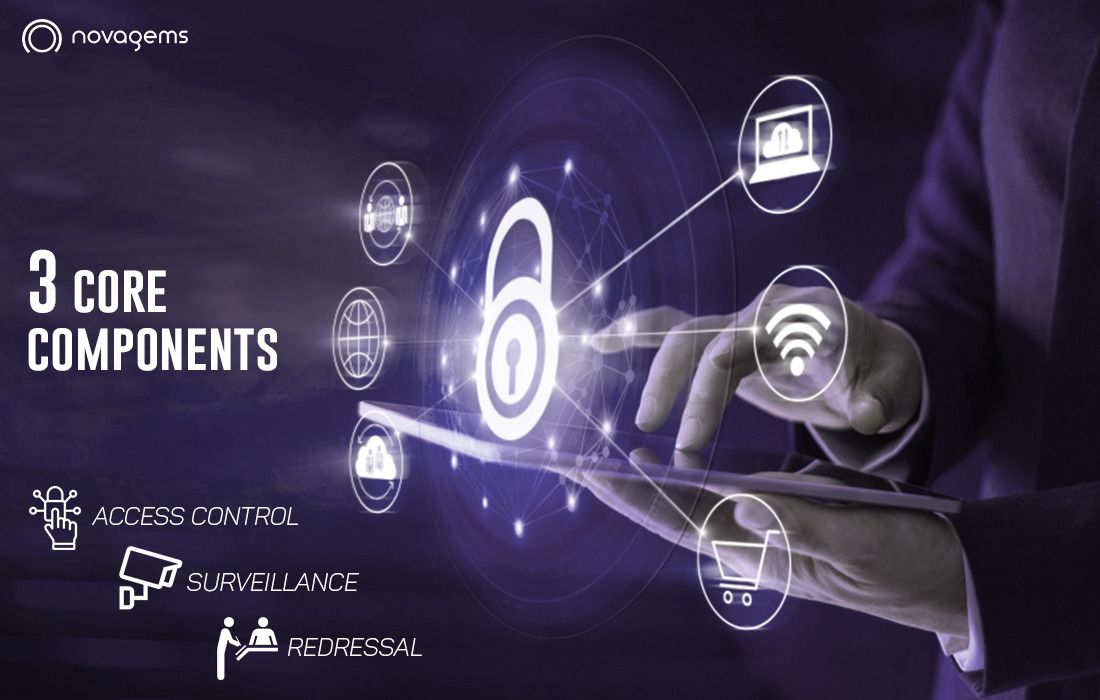
Physical security covers the requirement of protection of personnel, hardware, software, networks, data, and all other types of assets from any physical events or actions that can lead to loss or damage to a business. The protection is from all risk factors including fire, flood, natural disasters, theft, break-ins, vandalism, terrorism, burglary, and more. There are three core components of Physical security:
- Access control
- Surveillance
- Redressal
The security service providers must understand all three components to ensure uncompromised security. Hardening Access Control will protect the sites against trespassing and related risks. The Surveillance will help identify any risk in case the access control measures fail. Finally, it is effective management that ensures easy control of the situation or incident. It also means that the damage can be eliminated or minimized.
Adding locks, access control cards, biometric access systems, and visitor’s cards are certain measures for access control. For surveillance, the security company would use security system cameras, notification systems, GeoFencing technology, GPS tracking, and more. The redressal can be very well handled using an Incident Management System.
Physical security measures are the first line of defense of any business or organization. If the physical security measures fail, incidents are bound to happen. This means that the assets of the organization including human resources are exposed to several risks. Having string systems like Incident Management tools are important for effective security management at organizations, agencies, and other businesses. These systems ensure that the security companies have strong control over the security processes and also pre-defined measures to address and prevent incidents.
How do Incident Management tools help strengthen Physical Security?
Security companies face many challenges, from managing large teams of guards to ensuring their operations are compliant with industry regulations. Physical security incident management systems help solve these challenges by providing accountability, efficiency, and legal protection. Industry research from organizations like ASIS International consistently shows that faster incident detection and documentation translates directly into lower loss per incident and better contract retention. Incident Management Systems boost the efficacy of physical security measures in an organization. Some of the core features of the system that boost physical security include:
Real-time communication and reporting
The ability for guards to report incidents the moment they happen, and for supervisors to send instructions back in seconds, is the single biggest operational lift. Information is captured at a central location, photo/video evidence is attached at the source, and there is zero delay between observation and response. This collapses the “I’ll write it up at end of shift” window where details get lost.
Digital records and legal protection
All incidents, corrective actions, GPS coordinates, NFC/QR checkpoint scans, and photo/video evidence are stored as timestamped digital records. In a dispute or lawsuit, these logs become legally defensible proof of what happened, when, and what your team did about it. The same records also feed periodic reports, audits, and trend analysis without anyone re-keying data.
GPS tracking, geofencing, and accountability
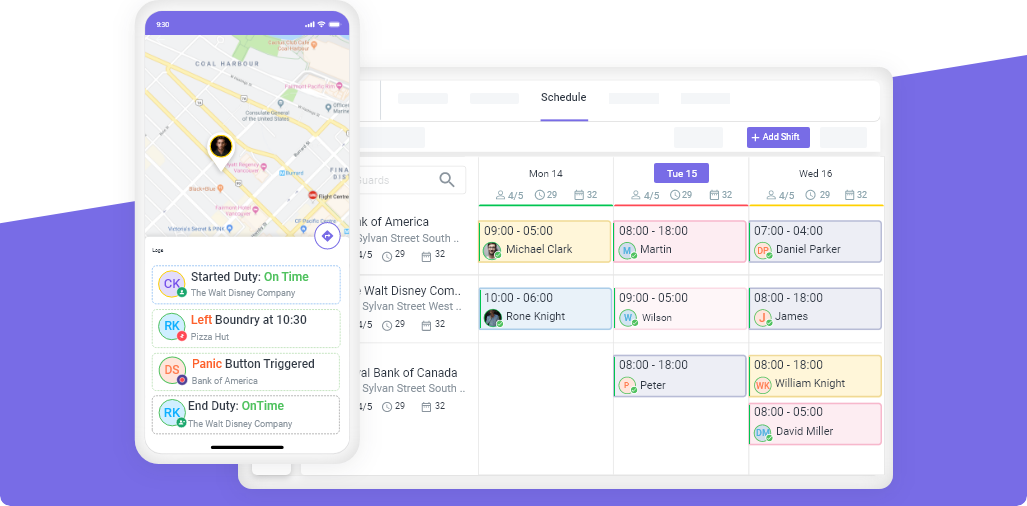
GPS tracking and geofencing let supervisors see patrol guard movement in real time. Missed checkpoints trigger automatic alerts; deviation from a patrol route can be addressed on the spot. This boosts security guard accountability and gives you a complete audit trail of every shift.
Resource allocation and severity-based response
A SIMS lets you triage incidents by severity. High-priority events (active threat, medical emergency) automatically escalate to supervisors and dispatch the right headcount and equipment, while low-priority events (broken window, suspicious vehicle) get queued for the next patrol pass. This ensures you are not deploying a 4-guard team for a flashlight inspection.
Client transparency and self-service dashboards
Clients get selective access to incident logs, response times, and patrol reports. They can audit your service themselves instead of waiting for a monthly summary. Buyers consistently rank “live visibility into the service I’m paying for” as a top criterion when evaluating security vendors, and offering it differentiates you from paper-log competitors.
Integration with emergency response and existing systems
A SIMS connects with mass notification systems, alarm panels, access control, scheduling, and payroll. When something serious happens, dispatch coordinates with police and EMS through a single workflow rather than three phone calls. On the day-to-day side, integration eliminates double entry between systems and prevents data falling through the cracks.
Executive dashboards and analytics
Leadership-level reports surface incident-volume trends by site, guard performance metrics, response-time benchmarks, and compliance gaps. These dashboards are what let a security firm move from reactive (handle today’s incident) to proactive (this site is trending toward a problem; reinforce coverage now).
Compliance and license tracking
The system tracks each guard’s certifications, license renewal dates, training completion, and required background checks. It pings managers before something lapses. This avoids the most common operational failure mode in security firms: putting an unlicensed guard on a contracted post.
How to choose the best Incident Management Solution for physical security operations?
When selecting a physical security incident management system, here are some things to consider:
1. Compatibility with Existing Systems
The software you choose should seamlessly integrate with your existing security tools, such as guard tour systems or mobile patrol apps. Ensure that the system works well with your current processes to avoid disruptions in your operations.
2. Customization and Flexibility
Choose a system that allows you to tailor features such as incident reporting templates, client dashboards, and notification settings. Customization helps you meet the specific needs of your business and clients.
3. Ease of Use
The system should be easy for both security personnel and managers to use. A user-friendly interface ensures that your team can quickly adapt to the system without needing extensive training.
4. Scalability
As your business grows, your system should be able to scale with it. Choose a security management system that can handle increasing data, incidents, and users without sacrificing performance.
A security company is responsible for ensuring the physical security of sizable properties and their surroundings. Many security teams cover large commercial campuses, multi-building industrial sites, or sprawling logistics facilities where a single guard may be responsible for hundreds of thousands of square feet of perimeter, parking, and interior space across one shift. Managing security and security guard incident reporting for such a large area is critical, especially when larger areas are more susceptible to incident overloads. This means the security guard company needs to be very attentive and responsible.
What counts as a reportable security incident?
A common operational gap is inconsistent reporting: one guard logs everything, another only logs what feels “serious.” Your SIMS configuration should make the categories explicit so the entire team reports the same set of events the same way. At a minimum, the following six categories should always be reported:
- Use of force or physical confrontation (any altercation, restraint, or eviction)
- Trespass or unauthorized access (perimeter breach, tailgating, after-hours entry)
- Medical emergency (any injury, illness, or medical call requiring EMS)
- Theft, attempted theft, or property damage (vandalism, break-in, missing items)
- Fire, hazardous material, or environmental hazard (alarm activation, spill, leak)
- Missed checkpoint or post abandonment with consequence (especially if it overlapped with any of the above)
Configuring drop-down categories and required photo/video evidence per category gives you clean data for trend analysis and consistent legal records across all sites.
Luckily, you can rely on an Incident management system for your physical security operations. But, how to choose the best one? Well, you must first know the requirements of physical security and then the key characteristics of the software.
Down below, we have covered both the aspects so read till the end.
What are the physical security requirements?
To identify the requirements, you must think about what is important to you. Also, have a clear understanding of the security goals and challenges you may face. Besides hiring a credible security guard taskforce, you will also need to ensure that they are befitted with all the required resources. An Incident management software will cover all the requirements.
The incident management system will enable the security teams to deal with fights, theft, arson, disorderly conduct, hazardous wastes, or any other unpleasant incident.
The software allows your security teams to be quick and effective and at the same time offer your clients a sense of trust as they work on their revenue generation goals.
Finding the best incident reporting software: It can be an intimidating task, especially when the market offers hundreds of options. You must know how to separate the wheat from the chaff. Here are a few tips:
- Know the characteristics:
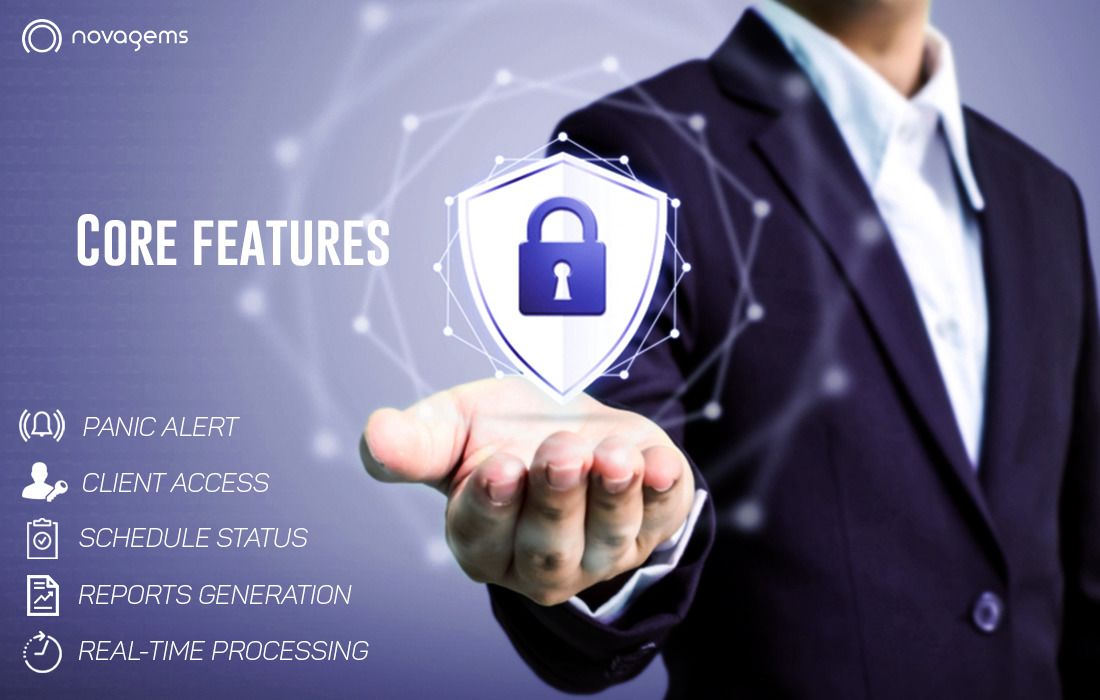
As aforesaid, you must know what to expect. Some core features to look for in incident management software include:
- Guard patrol management and tracking
- Panic Alert
- Schedule Status
- Incident reporting
- Real-time processing
- Back office management
- Reports generation
- Client access
If you make the software buying decision based on these features, you sure will get the best benefits.
- Evaluate the company: The company offering an Incident Management Tool must be a credible business. From a great track record to pleasing customer reviews, the company must have good background details.
- Ask for referrals: You are investing in an asset and asking a lot of questions is the right thing to do. You must ask for referrals. As soon as you get the referrals, approach them, and ask about their experience with the software provider. If the company hesitates in offering you the referrals, consider it as a red flag.
- Compare the price: Incident Management Software comes at a price and it must be such that you enjoy returns on your investments. Before investing in software make sure you do some market research. Know the price of the software and compare it with similar products. Compare the company, features, and other aspects of the software as well.
Top Security Incident Management Software Solutions to Consider
Several solutions provide robust features to help security firms manage incidents effectively. Here is how three commonly-evaluated platforms compare:
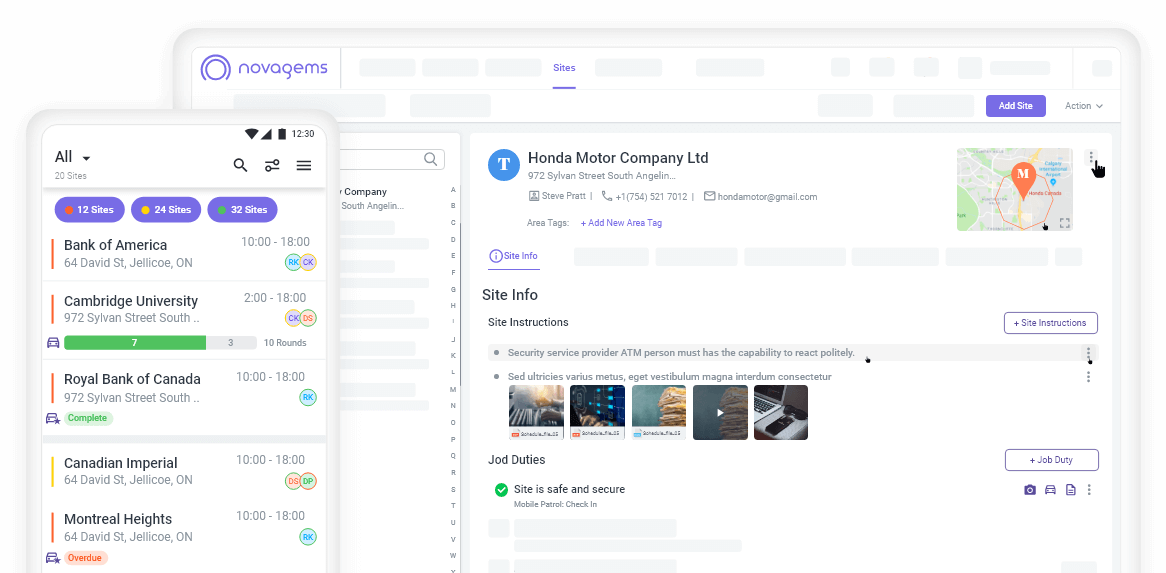
Novagems Security Incident Management Software
- Best for: Small to mid-sized security firms (10 to 500 guards) that want one platform for scheduling, mobile patrols, incident reporting, and client transparency.
- Key feature: Unified workforce management with built-in mobile patrol app, real-time GPS, photo/video incident reports, and a self-service client dashboard.
- Typical price tier: Mid-market pricing in the $8 to $15 per guard per month range (varies by feature bundle). 14-day free trial available.
Trackforce Valiant
- Best for: Larger enterprise security firms (often 500+ guards) with complex multi-site operations and existing in-house IT teams to support implementation.
- Key feature: Deep workforce management, post-order management, and reporting; long-standing presence in the enterprise security market.
- Typical price tier: Enterprise pricing; quote-based, with implementation services.
Silvertrac
- Best for: Small to mid-sized security firms focused on patrol reporting, daily activity reports (DARs), and client-facing report delivery.
- Key feature: Customizable report templates and a “report-first” workflow that prioritizes clean, branded client deliverables.
- Typical price tier: Small business pricing; typically a per-officer monthly subscription, with tiers based on features.
The right choice depends on team size, complexity, and which workflows matter most. Run a 1 to 2 week pilot with your top 2 to 3 candidates before signing a multi-year contract.
How Real-Time Incident Reporting Enhances Security Operations
The power of real-time incident reporting cannot be overstated. By instantly capturing and documenting security events, you reduce the time between the incident and response. This helps your security teams act quickly and efficiently. Additionally, instant reports ensure that incidents are documented with accuracy, making it easier to track trends, identify patterns, and improve operational strategies.
Benefits of Implementing a Physical Security Incident Management System
Implementing a security incident management system in your operations offers several key advantages, including:
1. Improved Accountability
With real-time tracking and mobile patrols, security managers can monitor guard performance, ensuring they follow the proper procedures. This makes it easier to spot potential issues before they become bigger problems.
2. Faster Response Times
Having the ability to report incidents instantly means security teams can react faster. Whether it’s sending guards to a specific location or notifying the right people in real time, these systems improve response times and help mitigate risks before they escalate.
3. Better Client Satisfaction
Clients appreciate transparency. With real-time incident reporting, you can offer clients updates about incidents as they happen, which helps build trust and satisfaction. Additionally, detailed, accurate reports help demonstrate the professionalism and reliability of your team.
4. Cost Savings
Automated features, such as incident reports and patrol tracking, save time and reduce administrative costs. With fewer manual processes, security teams can work more efficiently, helping the company save money in the long run.
5. Legal Protection
The biggest advantage of a security incident management system is the protection it offers in case of legal disputes. Detailed, timestamped reports and GPS tracking serve as strong evidence in the event of a lawsuit. By documenting incidents accurately, you provide undeniable proof of your company’s actions.
Conclusion
As security operations become more complex, it’s clear that adopting a physical security incident management system is no longer optional, it’s necessary. The downstream cost of doing nothing keeps rising: IBM’s 2024 Cost of a Data Breach Report put the global average breach cost at a record $4.88 million, and a large share of those incidents trace back to a physical-security failure that a properly logged-and-escalated patrol would have caught. These systems help you manage your security operations more effectively by improving accountability, efficiency, and compliance. With real-time incident reporting, mobile patrols, and automated compliance tracking, security companies can reduce risks, improve client satisfaction, and protect themselves legally.
If you haven’t already, it’s time to implement an incident management system to streamline your operations, stay compliant, and safeguard your company’s reputation.
A Security Incident Management system is the need of the hour. A security management company must invest in software that allows responsive incident management. While many software qualifies as the best, we firmly believe that Novagems is the most reliable. The software is developed with incident management operations in the core. It’s a feature-rich software to rely on for organizational physical security requirements.
FAQs
Q: How does a physical security incident management system work?
A: A physical security incident management system helps security companies log and report incidents in real-time, using GPS tracking and NFC checkpoints to ensure accountability and transparency.
Q: What are the key features of a security incident management system?
A: Key features include real-time reporting, mobile patrol software, incident dashboards, and compliance tracking.
Q: How can incident reporting improve security operations?
A: Incident reporting software helps teams log incidents immediately, improving response times, efficiency, and accountability across your security operations.
Further Reading
- Types of Security Guard Services, pillar guide covering all 12 security service categories
- How to Price Security Guard Contracts, bill rates, margins, and contract pricing formulas
- Workforce Management for Security Companies, operations platform for security firms
- GPS Tracking and Geofencing, verified patrols and real-time guard location
- Start a Free 14-Day Trial, cancel anytime
- Event Security Services, event pricing, staffing, and crowd management
See Novagems in action
Join 500+ security & cleaning companies that replaced spreadsheets with Novagems.
✓ 14-day free trial · ✓ Free onboarding · ✓ Cancel anytime