Managing a workforce is no easy task. From hiring and training employees to scheduling shifts and tracking time, businesses face many challenges in keeping everything running smoothly. Without the right strategies, companies can struggle with employee management, productivity, and compliance with labor laws.
But with the right tools such as workforce management software, staff scheduling software, and time tracking solutions. Businesses can improve efficiency and create a better work environment for their employees.
In this blog, we’ll explore the biggest workforce management challenges, ways to overcome them, the impact of digital transformation, and what challenges businesses might face in the future.
Top Workforce Management Challenges
Workforce management isn’t just about hiring employees—it involves everything from scheduling, time management, and compliance to keeping employees engaged and productive. Here are some of the biggest challenges businesses face today:
1. Employee Shortage and High Turnover
Finding skilled workers is one of the biggest challenges in many industries. Some jobs require special training, but not enough people are entering these fields. Additionally, businesses struggle with high turnover, where employees leave for better opportunities. Hiring and training new workers repeatedly is expensive and time-consuming.
2. Difficulty Scheduling Workers at Multiple Locations
For businesses with multiple locations, staff scheduling becomes a challenge. Assigning the right employees to the right place at the right time can be complicated, especially if done manually. Errors in scheduling can lead to understaffing, affecting productivity and customer service.
3. Getting Relevant Data for Meaningful Insights
Companies need data to make informed decisions about employee management, time tracking, and performance evaluation. However, many businesses lack access to real-time data or struggle to analyze the information they do have. Without meaningful insights, businesses miss opportunities for improvement.
4. Employee Engagement and Productivity
Employees who are not engaged in their work tend to be less productive. A disengaged workforce leads to lower efficiency, missed deadlines, and poor customer experiences. Keeping employees motivated and involved is a challenge that businesses must address.
5. Compliance with Labor Laws
Labor laws vary by country and region, covering areas such as wages, overtime, workplace safety, and employee rights. Businesses must ensure they follow these regulations to avoid legal issues and financial penalties. Managing compliance manually can be complex and time-consuming.
6. Technology Adoption and Digital Transformation
Many businesses still use outdated systems for staff scheduling, time tracking, and payroll management. Moving to digital solutions can improve efficiency, but some companies hesitate due to costs or lack of knowledge. However, avoiding technology adoption can lead to inefficiencies and lost opportunities.
How to Overcome Workforce Management Challenges
The good news is that businesses can overcome these challenges with the right strategies and tools. Here are some effective solutions:
1. Invest in Employee Training and Development
Providing employees with regular training and growth opportunities can improve skills, boost motivation, and reduce turnover. Well-trained employees are more productive and confident in their roles.
2. Use Workforce Management Software
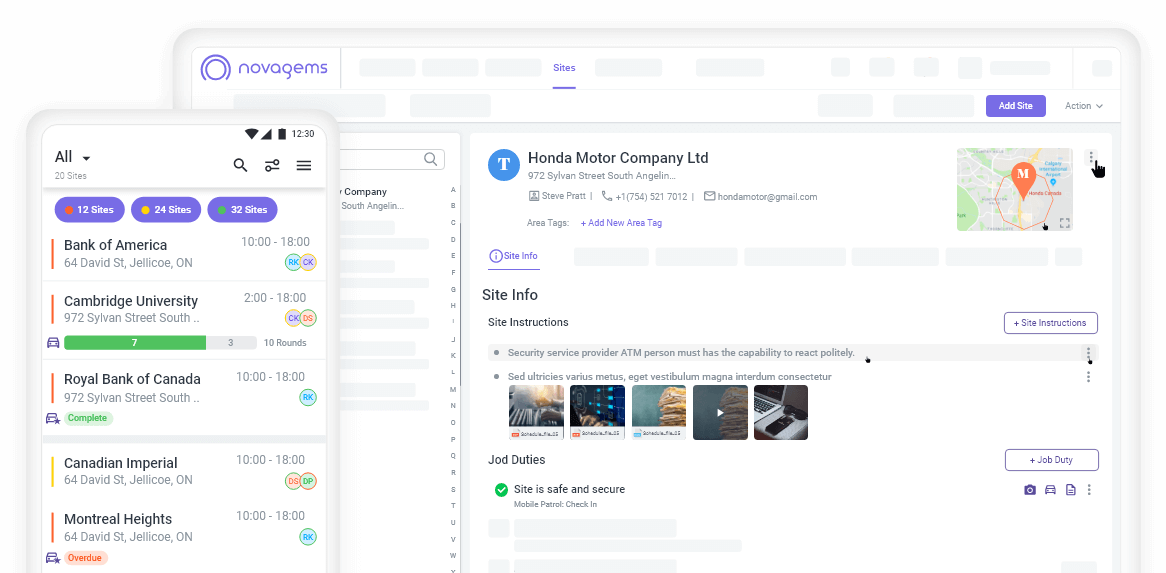
Investing in workforce management software can streamline operations. These tools help with staff scheduling, time tracking, and performance management, reducing manual work and errors. Cloud-based solutions allow managers to access workforce data from anywhere, making decision-making easier.
3. Improve Scheduling Automation
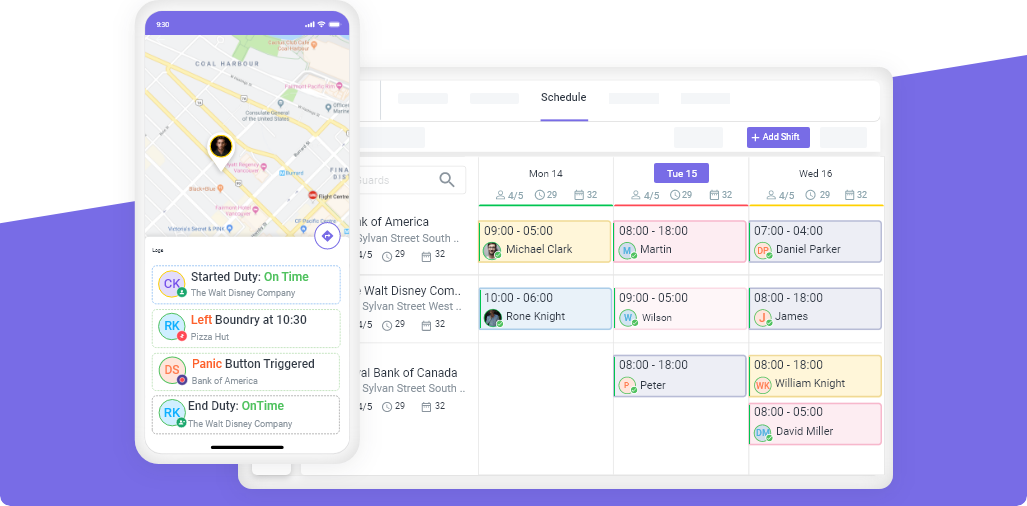
Automated scheduling software can assign shifts based on availability, workload, and employee preferences. This ensures fair scheduling, prevents understaffing, and improves efficiency across locations.
Novagems helps in making staff scheduling a breeze by providing a centralized platform. With the software, you can make large schedules in minutes. You can:
- Manage a large number of employees across multiple locations with time tracking tools
- Have ease of access to schedules with week and month views
- Color-code the schedules
- Make multiple schedules with drag and drop and an easy copy/paste feature
- Get a deep analysis of your employees for performance tracking
- Avoid understaffing or overstaffing with a proper view of who’s available and who is not.
4. Create a Positive Work Culture
Employees perform better when they feel valued. Recognizing achievements, encouraging teamwork, and promoting a healthy work-life balance can increase engagement and productivity.
5. Ensure Compliance with Labor Laws
Businesses should stay updated on labor regulations and use tools to help with compliance. Many workforce management software solutions include features that track labor law compliance, ensuring businesses meet legal requirements.
6. Use Data for Decision-Making
By analyzing workforce data, businesses can make informed decisions about time management, employee performance, and scheduling efficiency. This data helps identify workforce trends and areas that need improvement.
The Impact of Digital Transformation on Business
Technology is transforming how businesses manage their workforce. Digital tools help companies automate processes, improve efficiency, and make better decisions. Here’s how digital transformation is shaping workforce management:
1. Better Communication and Collaboration
With video conferencing, chat apps, and cloud-based solutions, teams can communicate easily, even when working remotely. This improves collaboration and efficiency.
2. Automated Workforce Management
Businesses can automate staff scheduling, time tracking, and payroll processing using workforce management software. Automation reduces errors, saves time, and improves accuracy.
3. Remote Work Opportunities
Technology enables remote work, allowing employees to work from anywhere. Businesses must adapt to flexible work arrangements while ensuring that productivity remains high.
4. AI and Machine Learning in Hiring
AI-powered recruitment tools help businesses find the best candidates by screening resumes and matching skills to job requirements. This speeds up the hiring process and improves hiring accuracy.
5. Data-Driven Decision Making
With digital tools, businesses can track time management, employee productivity, and performance trends. This helps them make smarter decisions about workforce planning.
Challenges That Will Impact Businesses in the Future
As the workforce continues to evolve, new challenges will emerge. Here are some future workforce management challenges that businesses must prepare for:
1. The Rise of Automation and AI
More jobs are being automated, which can increase efficiency but also reduce the need for human workers. Businesses must focus on reskilling employees to take on new roles in an AI-driven workplace.
2. Remote Work Challenges
Remote work is here to stay, but managing remote teams comes with challenges. Businesses must invest in digital tools that enable seamless communication, time tracking, and productivity monitoring.
3. Cybersecurity Risks
As businesses rely more on digital tools, they become vulnerable to cyber threats. Strong cybersecurity measures are needed to protect employee and company data.
4. Demographic Shifts
Workforce demographics are changing, with an increase in older workers and a more diverse workforce. Businesses must adapt by creating inclusive policies and providing opportunities for different age groups.
5. Rapid Urbanization
As more people move to cities, businesses in urban areas will face increased competition for talent. High living costs in cities may also impact employee retention, requiring businesses to offer better incentives and flexible work options.
6. Changing Workforce Expectations
The younger generation expects flexible work schedules, career growth opportunities, and a strong work-life balance. Businesses must meet these expectations to attract and retain top talent.
7. Sustainability and Corporate Responsibility
More employees and customers are looking for businesses that focus on sustainability. Companies that adopt green practices will have a competitive advantage in the future.
Conclusion
Workforce management is constantly evolving, and businesses must adapt to new challenges. By investing in staff scheduling software, workforce management software, and time tracking tools, companies can improve efficiency, stay compliant with labor laws, and create a positive work environment.
Digital transformation is shaping the future of work, making processes more automated, data-driven, and employee-friendly. However, businesses must also prepare for future challenges like AI automation, remote work, cybersecurity risks, and changing workforce expectations.
By staying ahead of these challenges and embracing modern scheduling software and time management solutions, businesses can build a strong, motivated workforce that drives long-term success.
Further Reading
- Workforce Management Software — complete platform
- Employee Scheduling Software — drag-and-drop scheduling
- Start a Free 14-Day Trial — cancel anytime
See Novagems in action
Join 500+ security & cleaning companies that replaced spreadsheets with Novagems.
✓ 14-day free trial · ✓ Free onboarding · ✓ Cancel anytime