Key Takeaways
- The right uniform balances comfort, durability, safety, and branding.
- Material choice (breathability, stain resistance, antimicrobial) and design (fit, pockets, mobility) are critical.
- Plan for rotation, laundry care, replacement lifecycle, and cost optimization.
- Clarify who pays for uniforms and ensure compliance with any PPE regulations.
Understanding the Needs of Your Cleaners
Before diving into material choices and design details, it’s important to understand the specific needs of your cleaners. Their daily tasks often involve extensive movement, exposure to various cleaning chemicals, and interaction with clients. Thus, the uniforms should be:
1. Comfortable: Cleaners typically work long hours, so their uniforms must be comfortable and breathable to avoid overheating and discomfort. Your commercial cleaning services will have clients from the far end of the town too. So your cleaners will need to travel from one place to another. If their uniforms are comfortable, then they can focus on work easily.
2. Durable: The uniforms need to withstand frequent washing and the wear and tear of daily use. You cannot keep on investing in new uniforms again and again. And your cleaners are going to be under conditions that might cause their uniforms to be dirty. So invest in materials that will last long.
3. Safe: Proper protection from cleaning chemicals and potential hazards is a must. Your cleaners need to have proper protection. Professional cleaning services understand the need to keep their cleaners safe. The companies need to understand under what situations their cleaners work.
4. Professional: The uniforms should enhance the company’s professional image and help in building trust with clients.
Things to Consider While Choosing the Cleaning Business Uniform
Material Selection for Cleaning Uniforms
The material of the uniforms plays a pivotal role in the comfort and durability of the garment. Here are key factors to consider:
1. Breathability: Fabrics like cotton and polyester blends are popular because they are breathable and comfortable. Cotton is soft and breathable but can wear out quickly. Polyester is durable and retains its shape well after washing. Keep these things in mind when you invest in a cleaning company uniform
2. Durability: Since cleaning uniforms undergo rigorous use, choosing durable fabrics is essential. Polyester and nylon are highly durable and resistant to stains and chemicals, making them ideal choices for cleaning uniforms.
3. Easy Maintenance: The uniforms should be easy to wash and quick to dry. Fabrics that are resistant to stains and wrinkles can save time and effort in maintenance.
4. Stain and Chemical Resistance: Cleaning often involves dealing with various chemicals and dirt, so uniforms need to be resistant to stains and chemicals. Materials like polyester and nylon are excellent in repelling stains and resisting damage from cleaning agents.
Design and Style Considerations
The design and style of the uniform should balance practicality with professionalism. Here are some design elements to consider:
1. Functionality: Uniforms should have practical features like multiple pockets for holding cleaning tools and supplies. Adjustable waistbands can provide a better fit and enhanced comfort. While professional cleaning services need to maintain a clean look, their uniforms need to be functional as well.
2. Fit and Comfort: The fit of the uniform should allow for a full range of motion. Loose-fitting clothes can be more comfortable but should not be so loose that they become a safety hazard. Consider features like elastic waistbands or adjustable straps for added comfort.
3. Professional Appearance: The uniform should reflect the professional image of your company. Consistent branding, such as logos and company colors, can enhance recognition and trust among clients. A professional look also boosts employee morale and pride in their work. Even if you are looking for a house cleaner uniform for a business, then also you will need to maintain a professional appearance.
4. Uniform Components: Decide what comprises the full uniform. Will it include hats, aprons, or specific types of shoes? Clarifying this helps avoid misunderstandings and ensures a consistent look among all employees.
Safety Features in Cleaning Uniforms
Safety should be a top priority when selecting uniforms. Here are some safety features to include:
1. High-Visibility Options: For cleaners working in environments where visibility is crucial, such as construction sites or large facilities, high-visibility uniforms can enhance safety.
2. Protective Elements: Depending on the tasks, additional protective elements like gloves, masks, and safety goggles may be necessary. The uniform itself should offer protection from spills and exposure to harsh chemicals.
3. Compliance with Safety Standards: Ensure that the uniforms comply with any relevant safety regulations and standards to protect your employees and your business from potential liabilities.
4. Ergonomic Design: Consider the ergonomics of the uniform. Features such as padded knees or reinforced areas can help reduce the strain on employees’ bodies during their work. Yes, looking neat and clean is important, but do not forget the essentials. They need to have a simple design that the client can read in one go.
Customization and Branding
Customized uniforms can significantly enhance your brand’s visibility and professionalism. Here’s how you can leverage customization:
1. Logos and Company Colors: Incorporate your company’s logo and colors into the uniform design. This not only promotes your brand but also creates a sense of unity and professionalism among your employees.
You can check out the following companies if you want to design your cleaning company uniform -
- Stitch logo
- Logo Up
- All Star Logo
2. Personalization: Adding personal touches like employee names can make the uniforms more personal and help clients identify staff members easily. These simple yet effective touches will help you stand out of the crowd and get new contracts easily. .
3. Consistent Branding: Ensure that the design of the uniforms is consistent with your overall brand image. This includes choosing colors, logos, and designs that align with your company’s branding.
4. Customer Perception: Uniforms with clear branding can enhance customer perception by projecting a professional image and promoting brand recognition. Your professional cleaning services will only look professional if your cleaners are carrying them well.
Why Uniforms Matter (Beyond Looks)
Uniforms do more than make your cleaners look alike. Their impact includes:
- Brand trust & professionalism: Clients are more likely to trust a company whose staff appear cohesive, clean, and uniformed. Some surveys suggest that uniformed workers are perceived as more reliable.
- Employee morale & identity: Wearing a uniform fosters belonging, pride, and consistency of appearance.
- Safety & hygiene: Uniforms can be designed as a first line of protection against chemicals, dirt, and cross-contamination.
- Accountability & identification: Uniforms with name tags, logos, or color schemes help clients and supervisors identify personnel.
Cost control: Uniforms prevent cleaners from wearing inappropriate or inconsistent clothing; bulk procurement reduces cost per unit.
Cleaning Uniforms - Who Should Pay?
Although there are no laws that specify who shall pay for the cleaners uniform, it is always good idea to check if your state specifics anything. You might find some local laws that specify what kind of PPE kit you might need. Sometimes having a PPE kit is a choice rather than a requirement.
But even if it does become a requirement, you cannot make your employees pay for it. You can, however, ask them to pay for the rest of the uniform if required. Although it is not advisable to do so. Businesses are advised to pay for the cleaners’ uniforms.
What to Prioritize: Material & Fabric Features
Choosing the right fabric defines long-term success. Here are key attributes to evaluate:
Breathability & moisture management
Cleaning work is physical and often hot. Fabrics must wick moisture away (e.g. moisture-wicking blends, mesh panels) so that staff remain cooler and more comfortable.
Durability & washability
Frequent laundering is inevitable. Fabrics should resist fading, shrinking, pilling, and damage from detergents and repeated cycles. Blends like polyester or nylon with reinforcing fibers often perform better.
Stain & chemical resistance
Cleaning agents (bleach, acids, detergents) are harsh. Fabrics that resist chemical damage or have protective finishes help uniforms last longer.
Antimicrobial / odor-control finishes
Some premium uniforms incorporate antimicrobial or odor-control treatments to reduce smell buildup during shifts, improving comfort and hygiene.
Stretch & mobility
Uniforms must allow full range of motion — bending, reaching, stretching. Stretch fabrics or panels make tasks easier and reduce fatigue.
Reinforced stress zones
Areas like knees, elbows, belt-line, seams and pockets must be reinforced (double stitching, stronger fabric) to handle strain.
Design & Functional Considerations
Material is just half; design dictates usability. Include the following design elements:
- Fit & cut: Avoid garments so loose they snag or so tight they restrict movement. Consider adjustable waistbands, stretch panels.
- Pockets & tool holders: Enough pockets to carry small tools (keys, cloths, spray bottles) without impeding movement.
- Visibility / safety features: In certain environments (e.g. low light, public areas), reflective trims or high-visibility elements may help.
- Layering & modularity: Allow for layering (vests, jackets) in cold environments or outer protective layers for spill-prone tasks.
- Logo, corporate colors, branding: Placement must not interfere with functionality, but should be visible (chest, sleeve, back).
- Uniform components: Decide whether uniform includes shirts, pants, overalls, aprons, jackets, caps, protective gear (gloves, splash guards).
Uniform variants: You may want different sets (daily vs heavy-duty vs outdoor) for different tasks or seasons.
Lifecycle, Rotation & Replacement Strategy
A uniform program only works if carefully managed:
- Number of sets per cleaner: At least 2–3 sets per employee so they can rotate while others are laundered.
- Replacement schedule: Plan for uniform aging — e.g. every 18–24 months replace worn sets.
- Tracking & inventory: Use a system to track who has which set, when issued, and condition.
- Condition criteria: Define when a uniform is “retired” (fading, holes, stretched seams).
Cost budgeting: Account for replacement costs upfront (amortize over lifespan).
Laundry, Care & Maintenance Policies
Uniform durability depends heavily on how uniforms are cleaned and handled.
- Washing guidelines: Use mild detergents, avoid harsh bleaches unless fabric is bleach-safe.
- Laundering responsibility: Decide if the company launders uniforms or if employees do it. Typically, companies should handle laundering or subsidize it.
- Repair policy: Minor repairs (loose stitching, minor tears) should be handled promptly to extend life.
- Stain treatment protocol: Provide guidelines for treating stains (spot treatment, avoiding damage).
Separate wash loads: Uniforms should not be washed with heavy or abrasive items (tools, hardware) that damage fabric.
Cost Considerations & Return on Investment
Designing uniforms is a cost decision too. Here’s how to think about it:
- Cost per unit vs lifecycle cost: A slightly more expensive uniform that lasts 3× longer can yield lower cost per year.
- Bulk ordering / scale discounts: Ordering in bulk reduces per-unit cost.
- Supplier selection & negotiations: Compare multiple uniform vendors, quality, customization, turnaround time.
- Brand value earned: Uniforms that improve client perception may help justify higher contract rates.
Uniform subsidies: Decide whether your business fully pays, partially pays, or requires contribution. However, for regulated PPE components, you cannot charge employees in many jurisdictions.
Compliance, Legal & Safety Aspects
- PPE vs uniform: In many countries, safety gear (gloves, splash aprons, respirators) is legally PPE and must be supplied by employer free of cost.
- Standards & certifications: Verify if any local or industry standards (fire-retardant, chemical resistance) are required.
- Liability & insurance: Uniforms with safety features can reduce risk in slip, chemical, or stain complaints.
Uniform cost obligations: Review labor laws about whether you can charge employees for uniform cost, especially where uniforms double as PPE.
Conclusion
Choosing the right uniform for your cleaning business involves balancing comfort, durability, safety, and branding. By understanding the needs of your cleaners and considering factors like material selection, design, safety features, and customization, you can select uniforms that enhance your team’s performance and present a professional image to your clients.
Investing in quality uniforms is an investment in your company’s success and reputation. If you are looking for an answer to the question, “What should professional cleaners wear?” then it is very simple. It should be something that is simple and durable. Because that is something your cleaners are going to wear every day.
Frequently Asked Questions
What fabric is best for cleaning staff uniforms?
A blend of polyester and cotton with moisture-wicking, stain resistance, and moderate stretch is ideal. For high-end usage, antimicrobial or treated fabrics are a plus.
How many uniform sets should I give each cleaner?
Provide at least 2–3 full sets to allow rotation, laundering, and replacement cycles.
Who should bear the cost of uniforms?
Legally required PPE must be employer-provided. Other uniform components can be subsidized by employer; charging employees often reduces morale. In cleaning business guidance, many recommend employers pay for uniforms.
How long should a uniform last?
With good fabric and care, a uniform should last 18–24 months under frequent use and laundering.
How should uniforms be laundered?
Use mild detergents, avoid harsh bleaches unless fabric-safe, repair early, and wash separately from rough items or hardware.
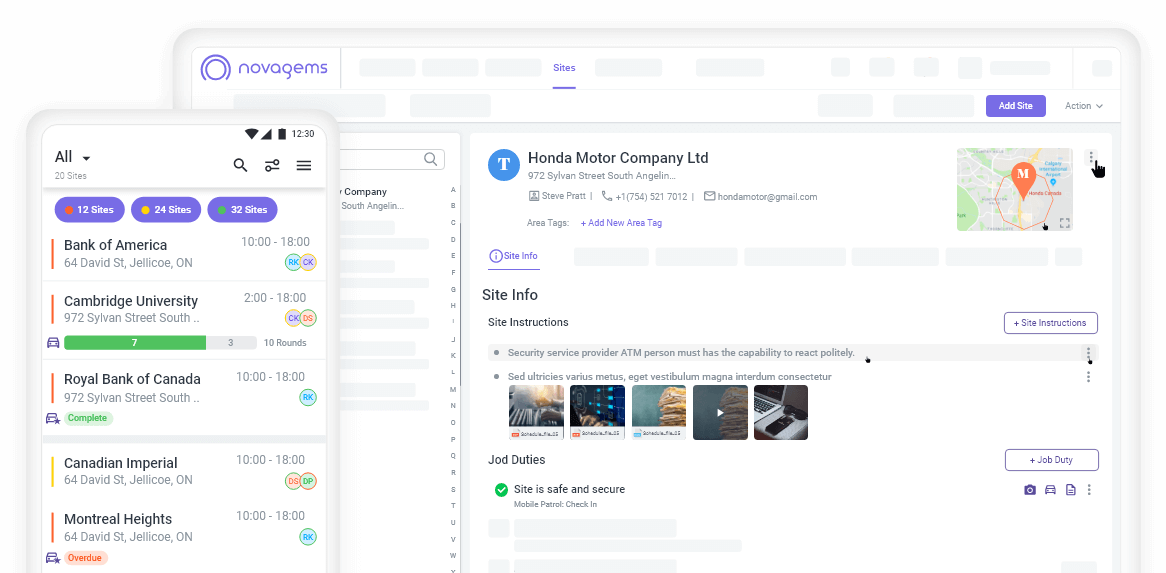
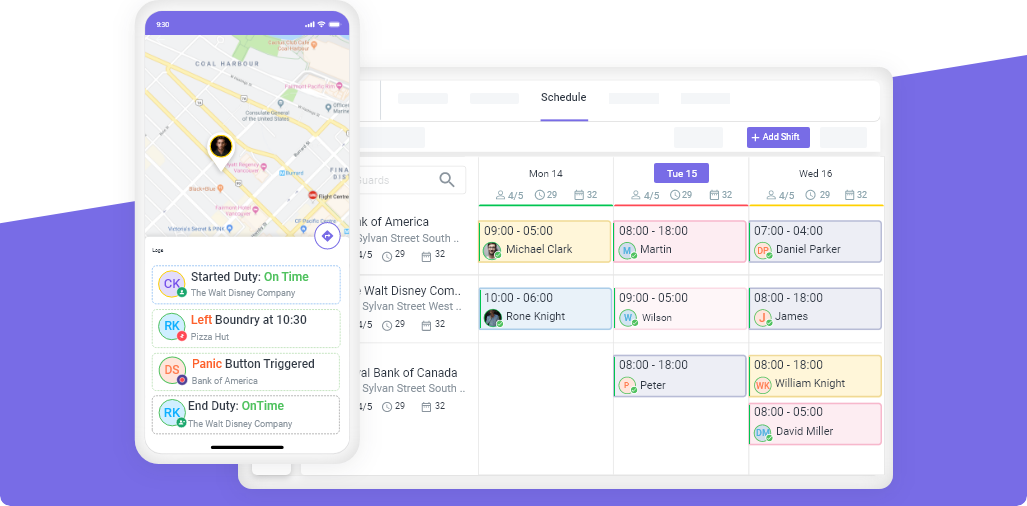
See Novagems in action
Join 500+ security & cleaning companies that replaced spreadsheets with Novagems.
✓ 14-day free trial · ✓ Free onboarding · ✓ Cancel anytime