Key takeaways:
- How AI-powered scheduling and analytics transform workforce planning.
- Support for hybrid and mobile-first teams, promoting flexibility and engagement.
- Tools to enhance employee well-being and reduce burnout.
- The rise of workforce analytics and predictive insights.
We’re living in an era where technology is advancing faster than you can say “gadget.” In the workforce, it’s all about using this tech to our advantage. Smart Workforce Management Systems use things like artificial intelligence and real-time data to streamline tasks like scheduling, tracking productivity, and even predicting future workforce needs.
Empower Your Workforce with Intelligent Workforce Management Solutions
Traditional workforce management methods often involve manual processes, spreadsheets, and disjointed systems. This can lead to inefficiencies, errors, and a lack of visibility into workforce performance. Smart workforce management systems (SWFMS) address these challenges by leveraging technology to automate tasks, provide real-time insights, and optimize decision-making.
They use smart technology, like super-smart algorithms and artificial intelligence. To make work life smoother than a perfectly executed skateboarding trick.
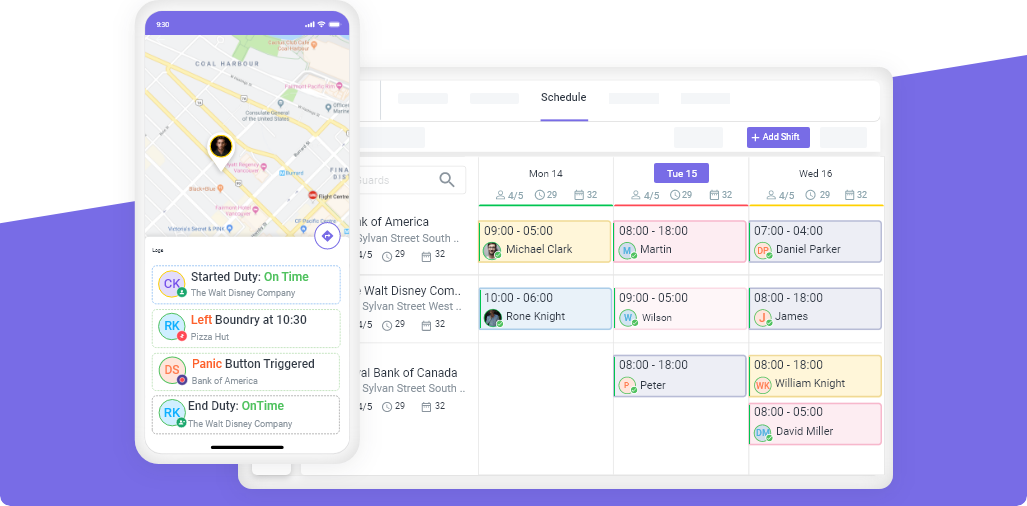
Imagine you have this magical tool that helps you figure out who should be doing what and when. That’s exactly what these solutions do! They make scheduling a piece of cake. No more confusion about who’s on duty or who’s taking the lead on the next group project. It’s like having your very own superhero planner.
These solutions aren’t just about schedules. Intelligent Workforce Management Solutions are like time-travelers. They use data and trends to see what’s coming up.
Enhance Workforce Efficiency and Drive Business Success with Smart WFM
First off, what’s the big deal with Smart WFM? Think of it as your work BFF. It’s not just about making schedules; it’s about making them super smart. It’s like having a magical planner that knows exactly when and where everyone needs to be. No more confusion, no more “Oops, I forgot!” moments. It’s the superhero sidekick that keeps everything in check.
It’s about using technology to make sure everyone is in sync, tasks are getting done smoothly, and we’re not just meeting but exceeding our goals. Smart WFM is like the ultimate tool in your toolbox. It’s not just making work easier; it’s making it epic. Efficiency? Check. Success? Double-check. Smart WFM is the real MVP, turning our everyday work into a success story!
Smart WFM doesn’t just operate in the background; it’s your company’s analytical powerhouse. With real-time data and analytics at your fingertips, you gain invaluable insights into your workforce’s performance. Identify trends, foresee challenges, and make informed decisions that drive your business forward.
The future of Smart Workforce Management systems
Boosting Employee Satisfaction and Retention
Happy employees are productive employees. Smart WFM takes into account the well-being of your workforce. Offering tools for effective communication, recognition, and work-life balance. By prioritizing employee satisfaction, you not only foster a positive workplace culture. But also increase retention rates, saving your business both time and resources.
Artificial Intelligence and Predictive Analytics
Artificial Intelligence (AI) is set to play a pivotal role in the evolution of Smart WFM. Predictive analytics, powered by AI algorithms, will enable organizations to anticipate workforce needs. And then helping to optimize scheduling, and identify potential challenges before they arise. This proactive approach not only enhances efficiency but also empowers strategic decisions.
Remote Work and Hybrid Models
The rise of remote work is reshaping traditional work structures. Smart WFM systems are evolving to accommodate these changes. Future systems will seamlessly integrate with remote work setups, providing tools for effective communication, collaboration, and performance management, regardless of employees’ physical locations.
Integration with Other HR Technologies
Smart WFM systems are becoming integral components of broader Human Resources (HR) ecosystems. The future will witness increased integration with other HR technologies such as talent management, learning and development platforms, and employee well-being tools. This interconnected approach streamlines HR processes and creates a unified employee experience.
AI-Powered Scheduling & Resource Allocation
One of the most powerful shifts in modern workforce management systems is the use of Artificial Intelligence (AI) in scheduling and resource allocation. //Traditional scheduling often relied on managers manually filling shifts, using spreadsheets, or outdated software. This process not only consumed time but also introduced errors, conflicts, and inefficiencies. AI changes that.
Smarter, Faster Scheduling
AI-powered systems can analyze historical data, seasonal trends, and real-time business demands to automatically generate schedules. For example, a retail store may see a spike in foot traffic during weekends, while a call center may receive higher call volumes in the evenings. Instead of managers guessing, AI predicts these patterns and ensures the right number of staff are always available.
This eliminates both understaffing (which stresses employees and hurts customer service) and overstaffing (which wastes payroll dollars).
Dynamic Adaptation
Workplaces today are unpredictable. Employees may call in sick, resign suddenly, or request last-minute time off. Traditional systems struggle with these changes. AI-driven tools, however, reallocate shifts in real time, suggest replacements, and notify employees instantly via mobile apps. This responsiveness keeps operations running smoothly without heavy manual intervention.
Cost Optimization
Labor is one of the biggest expenses for any organization. AI ensures schedules match actual demand, preventing unnecessary overtime or idle time. According to McKinsey, companies using AI-based workforce tools have seen labor cost reductions of up to 12–15% while improving employee satisfaction.
Resource Allocation Beyond Scheduling
Smart systems aren’t just about shifts—they allocate skills and resources too. Imagine a security company that needs guards with specific certifications (like first aid or armed licenses) for certain sites. AI ensures only qualified staff are assigned, avoiding compliance risks and improving client trust.
Human + AI Collaboration
Importantly, AI doesn’t replace managers. Instead, it assists them by handling repetitive scheduling tasks while leaving strategic decisions (like promotions, training, or staffing policies) to humans. This combination of machine efficiency and human judgment leads to better outcomes.
Supporting Hybrid & Mobile Workforces (Expanded)
The modern workforce is no longer tied to a single location. In 2025, most industries operate with a blend of on-site, remote, and mobile employees—often referred to as a hybrid workforce. Security, healthcare, retail, and service businesses in particular need tools that can support staff working across multiple sites and environments. This is where smart workforce management systems step in.
The Rise of Hybrid Work Models
Hybrid work became mainstream during the pandemic, but it has now evolved into a permanent feature of business operations. Employees want flexibility—working some days in the office, some from home, and others directly in the field. Businesses that embrace this model enjoy higher employee satisfaction, lower turnover, and access to a wider talent pool.
But managing such a workforce is not simple. Without a centralized system, managers struggle with fragmented schedules, missed updates, and communication breakdowns.
Cloud-Based & Mobile-First Solutions
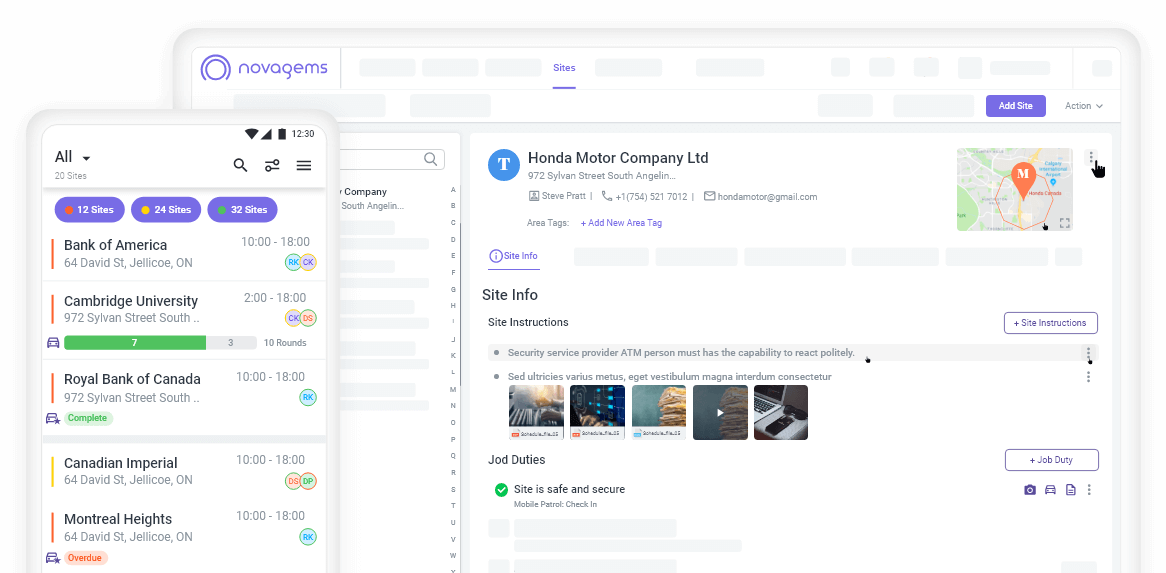
Smart WFM systems solve these problems by being cloud-based and mobile-first. Instead of relying on desktop-only software, employees and managers can access schedules, swap shifts, request time off, or log hours directly from their phones.
For example:
- A frontline security guard can clock in from a mobile app at a client site.
- A nurse can swap shifts instantly without waiting for a manager’s approval.
- Remote employees can receive real-time schedule updates and policy changes via push notifications.
This kind of accessibility eliminates delays and improves transparency.
Enhancing Collaboration & Accountability
Mobile-friendly platforms also make collaboration easier. Teams can receive alerts about schedule changes, upcoming meetings, or workload assignments instantly. GPS-enabled check-ins ensure accountability, especially for mobile workers in industries like security or logistics, where proof of presence is critical.
For managers, having all updates centralized in one dashboard reduces time spent chasing confirmations and following up manually.
Real Benefits for Businesses
Research by Gartner shows that organizations adopting hybrid-supportive WFM systems see a 20–25% increase in workforce engagement and significant reductions in absenteeism. Employees feel more in control of their schedules, leading to higher morale and productivity.
Smart Workforce Management: The Key to a Thriving Enterprise
Smart Workforce Management is not merely a tool. It’s the strategic linchpin that aligns people, processes, and technology toward a common goal. The thriving and sustained success of the enterprise. By enhancing efficiency, fostering agility, prioritizing employee satisfaction, and enabling data-driven decisions. Smart Workforce Management Systems becomes the key that unlocks the full potential of a forward-looking and thriving organization.
See Novagems in action
Join 500+ security & cleaning companies that replaced spreadsheets with Novagems.
✓ 14-day free trial · ✓ Free onboarding · ✓ Cancel anytime